





What Is a Truck Upfit? Complete Guide for Business Owners

A truck upfit is the process of modifying a standard work truck with specialized equipment, storage systems, safety features, and technology that improve daily business operations. Companies use upfitted trucks to increase efficiency, organize tools and materials, improve worker safety, and reduce downtime across industries like construction, delivery, utilities, and field service.
Are your employees losing time searching for tools or struggling with limited cargo space during jobs? Efficient vehicle setups matter more than ever, especially as North America's commercial vehicle market includes more than 32 million commercial vehicles and 3.5 million fleets on the road. A properly planned truck upfit helps businesses create more organized, productive work vehicles while supporting long-term business fleet optimization.
What Is a Truck Upfit?
A truck upfit turns a standard work truck into a vehicle built for a company's daily tasks. Many companies rely on customized trucks to help employees work faster and stay organized throughout the day:
- Interior storage systems
- Exterior work equipment
- Safety and technology upgrades
Interior Storage Systems
Storage upgrades help workers keep tools, parts, and supplies in order. Shelving units, drawer systems, and secure compartments reduce clutter inside the vehicle. Organized storage saves time during service calls and lowers the chance of damaged equipment.
Exterior Work Equipment
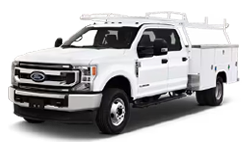
Many forms of truck customization focus on the outside of the vehicle. Ladder racks, liftgates, utility bodies, and cargo carriers make it easier to transport large equipment. Some commercial truck enhancements support heavy-duty jobs that require towing or hauling materials every day.
Safety and Technology Upgrades
Safety upgrades protect both drivers and equipment. Backup cameras, warning lights, and partition systems help reduce accidents on busy worksites. Some business vehicle modifications include GPS tracking, charging stations, and mobile workstations that support field operations.
Why Businesses Invest in Truck Customization
Many companies rely on work trucks every day, so small problems can slow down the entire operation. Poor storage, limited cargo access, and damaged equipment often lead to wasted time and higher costs. Businesses invest in truck customization to improve daily performance in several ways:
- Faster job completion
- Better safety and organization
- Long-term cost savings
Faster Job Completion
Employees work more efficiently when tools and materials stay organized inside the vehicle. Workers spend less time searching for equipment during service calls or jobsite visits.
Some vehicle upfitting solutions include shelving systems, mobile workstations, and cargo management setups that help crews stay productive throughout the day.
Better Safety and Organization
Organized trucks create safer working conditions for drivers and field teams. Loose equipment can shift during travel and create hazards inside the vehicle. Commercial truck enhancements such as partitions, storage racks, and warning lights help reduce safety risks while protecting valuable tools and supplies.
Long-Term Cost Savings
Business fleet optimization often leads to lower operating costs over time. Proper storage helps prevent equipment damage and reduces replacement expenses. Many business vehicle modifications support preventive maintenance by keeping tools secure, clean, and easy to access during daily operations.
Common Types of Commercial Truck Enhancements
Many vehicle upfitting solutions focus on keeping tools and supplies organized inside the truck. Shelving units, drawer systems, and locking compartments help workers find equipment faster. Organized storage cuts down on wasted time during service visits and helps protect expensive tools from damage.
Exterior Work Equipment
Exterior upgrades support jobs that involve hauling, lifting, or transporting materials. Ladder racks, utility bodies, and liftgates help crews move equipment safely between jobsites. Some truck customization projects include towing accessories or cargo carriers for larger tools and materials.
Safety Upgrades
Safety equipment protects drivers and workers during daily operations. Backup cameras improve visibility in crowded areas.
Warning lights and partitions reduce hazards on busy worksites. Many business vehicle modifications focus on lowering accident risks while protecting equipment inside the truck.
Technology Integration
Technology upgrades support communication and productivity on the road. GPS tracking systems help dispatchers monitor fleet activity and route efficiency. Mobile workstations and charging stations allow employees to complete paperwork and stay connected throughout the workday.
Choosing the Right Vehicle Upfitting Solutions for Your Industry
Construction crews often need heavy-duty storage and hauling equipment. Toolboxes, ladder racks, and utility bodies help workers carry large tools and materials between job sites. Some truck upfit packages include towing equipment for trailers and machinery.
Delivery and Logistics Support
Delivery businesses usually focus on cargo management and route efficiency. Organized storage helps drivers load and unload products faster. GPS systems and mobile technology support business fleet optimization by improving communication and scheduling.
Utility and Service Fleet Upgrades
Service technicians need safe and organized work vehicles. Many business vehicle modifications include partitions, lighting systems, and mobile repair stations. Easy access to tools allows workers to complete service calls more efficiently.
Landscaping and Agriculture Equipment
Landscaping and agricultural businesses often transport heavy equipment, debris, and supplies. Commercial truck enhancements such as towing accessories, dump bodies, and cargo carriers support outdoor work in changing conditions.
Frequently Asked Questions
What Is the Difference Between an Upfit and an Aftermarket Upgrade?
A truck upfit focuses on work-related function and job performance. Businesses add equipment such as shelving, ladder racks, partitions, or liftgates to support daily operations.
Aftermarket upgrades often focus on appearance or personal driving preferences. Performance wheels, custom paint, and audio systems usually fall into that category.
How Long Does a Commercial Truck Upfit Typically Take?
Installation time depends on the size of the project and the equipment involved. Simple vehicle upfitting solutions may take a few days. Larger commercial truck enhancements that involve electrical systems, custom bodies, or fleet-wide upgrades can take several weeks.
Can Truck Upfits Help With Regulatory Compliance?
Many business fleet optimization plans include safety equipment that supports industry regulations. Warning lights, secure cargo systems, backup cameras, and driver partitions may help companies meet safety standards for commercial operations.
Better Commercial Truck Enhancements
A truck upfit helps businesses improve organization, safety, and daily productivity with vehicles built for specific job demands.
Family-owned since 1948, Hengehold Trucks has supplied work-ready commercial vehicles, rentals, and upfitting services to businesses and fleet operators across California. We focus on dependable service, straightforward pricing, and long-term customer relationships rather than sales pressure or gimmicks. Every truck is carefully inspected before sale, and many customers return for future purchases.
Get in touch today to find out how we can help with your truck upfitting needs!